
Most garage door panel dents are cosmetic, but deeper or larger dents can be structural. Cosmetic dents do not affect movement or alignment, while structural dents weaken panels, strain openers, and may compromise security.
The difference depends on depth, size, and impact location. Small knocks from bins or balls often leave only surface marks. Heavy impacts, however, can bend frames, misalign tracks, or stop the door from sealing properly.
Understanding this distinction helps homeowners decide whether to leave the dent, repair a panel, or replace the door. This article outlines how to recognise cosmetic versus structural dents, when repairs are required, and the best options for long-term safety and function.
Minor Dents Are Mostly Cosmetic
Minor dents are the most common type of garage door damage. They are shallow marks that do not affect how the door moves or its ability to stay aligned on the tracks. The door continues to open and close smoothly, and safety features remain intact.
These dents are often caused by light knocks such as bins, balls, or small impacts. In these cases, the damage is only cosmetic and does not weaken the panel or compromise security. Many homeowners choose to leave them as they are if the door still works properly.
That said, cosmetic dents can affect the look of a home. Because the garage door is a large feature visible from the street, noticeable marks may reduce overall appeal. For those who value appearance, repair or panel replacement may be an option, even if the dent does not affect performance.
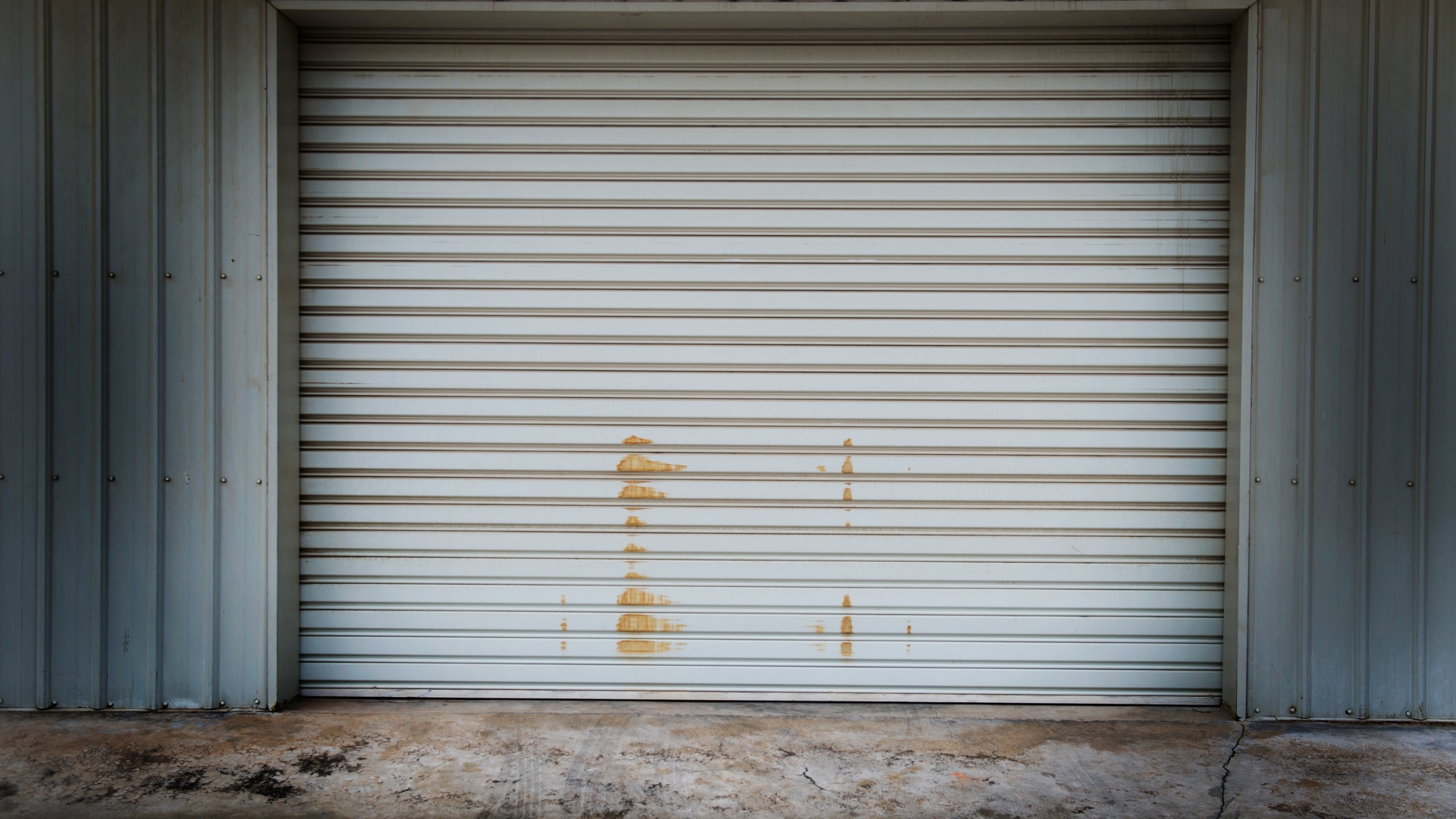
Major Dents Are Potentially Structural
Not all dents are harmless. Larger impacts can damage both the strength of the panel and the way the door functions. When dents are deep or spread across more than one section, they may create mechanical and safety issues.
Problems linked to major dents include
- Misalignment that causes the door to move unevenly along the tracks
- Weakened panels when the frame is bent or distorted
- Extra strain on the opener if the door is no longer balanced
- Gaps that reduce insulation and compromise security when the panel no longer seals correctly
These issues mean the dent is more than cosmetic. Structural damage can make the door harder to use, increase wear on moving parts, and in some cases create safety risks. Professional inspection is recommended when dents appear significant or when the door stops operating smoothly.
When Repairs Are Necessary
The best way to judge whether a dent requires repair is to look at how the garage door operates. If the door moves smoothly, closes without gaps, and shows no signs of misalignment, the dent is likely cosmetic.
Concerns arise when the door feels heavy, sticks during movement, or makes unusual noises. These symptoms suggest the dent is affecting mechanics or balance. Cracks or bent sections are stronger signs that repair or replacement is required to restore strength and safety.
Even when damage appears minor, it is sensible to have the door inspected during routine servicing. A professional can confirm whether the dent is only visual or if it poses hidden risks. Addressing issues early prevents larger problems and extends the lifespan of the system.
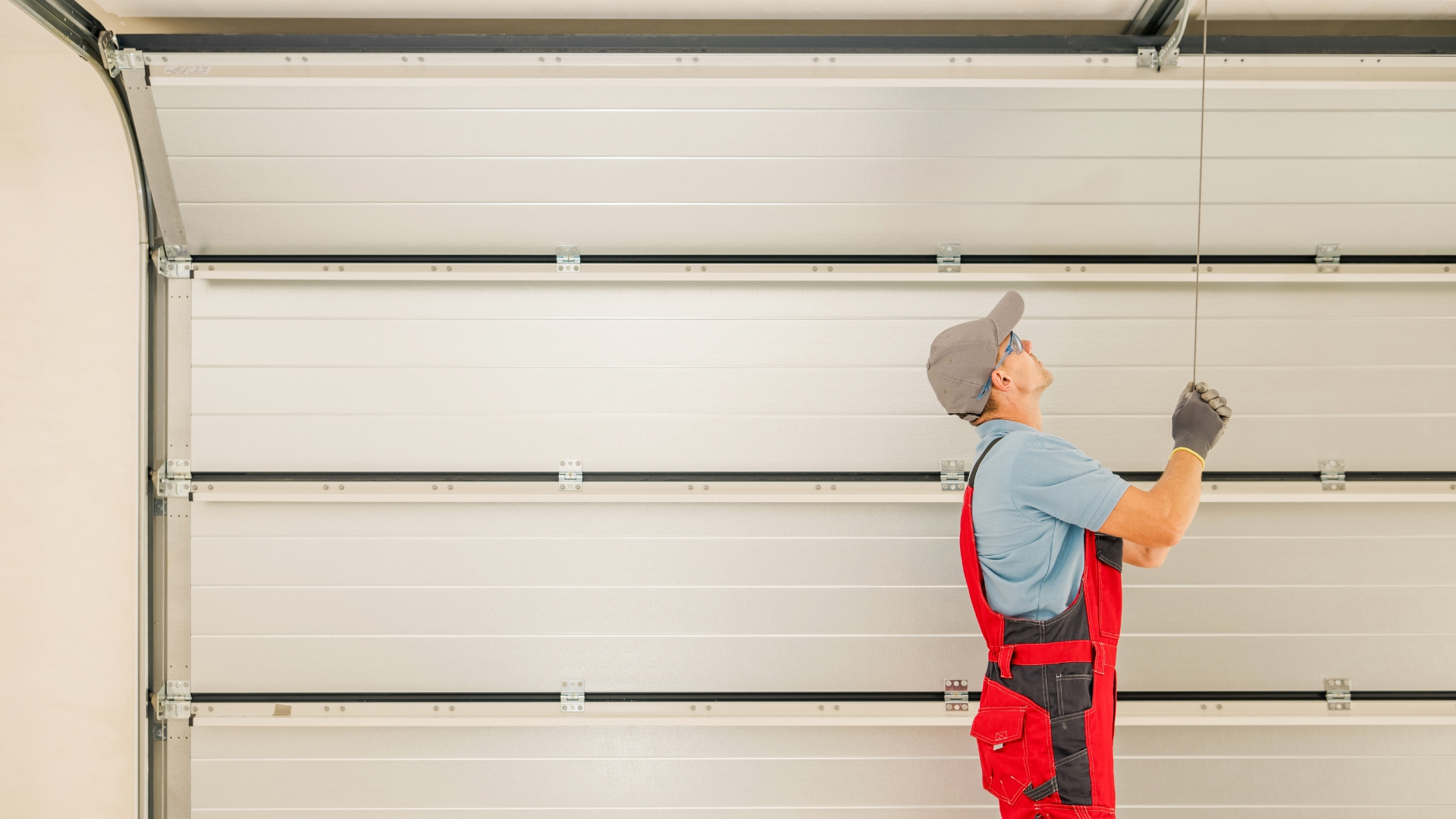
Repair Options for Dented Garage Doors
The right repair method depends on how severe the dent is and how much it affects the door’s function. In some cases, a simple fix may be enough, while in others replacement is the better option.
For small dents that do not affect movement, some homeowners try simple techniques to reduce the mark. Heat and suction methods can work for very shallow dents, though results are often limited.
When damage is confined to one panel but is more than cosmetic, panel replacement is usually the most practical choice. This restores both strength and appearance without replacing the entire system.
If dents are widespread, deep, or the door is nearing the end of its lifespan, a full replacement may be the safest and most cost-effective solution. A new door addresses both structural and functional issues while also improving energy efficiency and appearance.
For more information on replacement and servicing options, see the full range of garage doors and repair services.
Protecting Your Garage Door from Damage
While dents are often unavoidable, steps can be taken to reduce the risk and keep panels in good condition. Preventative habits help maintain both appearance and performance.
Practical ways to reduce dent damage include
- Parking vehicles with care and avoiding pulling in too close to the door
- Keeping bins, bikes, and sporting equipment stored away from the panel area
- Scheduling regular servicing to check alignment, track condition, and overall operation
These habits minimise the chance of accidental impacts and ensure small issues are identified before they turn into costly repairs. Consistent care also extends the life of both panels and mechanical parts, reducing the need for replacement.
Work With Local Experts
When a garage door dent occurs, it is not always easy to tell whether the damage is only cosmetic or if it has affected the structure. A local specialist can assess the severity, check alignment, and recommend the most suitable repair option.
Professional technicians have the tools and knowledge to identify hidden issues that may not be visible to homeowners. They can advise whether a panel repair is enough or if a full replacement is needed for safety and performance.
For trusted servicing, homeowners can rely on Coast To Valley Garage Doors, a local expert in Newcastle and Lake Macquarie. Their team provides reliable repairs and installations, ensuring doors remain safe and functional.
Final Thoughts
Not all garage door dents are the same. Small dents are usually cosmetic and do not affect how the door works, while larger dents can weaken panels, misalign tracks, and place strain on the opener.
The safest approach is to check how the door operates after damage. If movement is smooth and there are no gaps, the dent is likely cosmetic. If the door feels heavy, sticks, or shows cracks, it may be structural and should be assessed by a professional.
Addressing dents early helps prevent further damage and keeps the system operating safely. With regular servicing and timely repairs, homeowners can extend the life of their garage door and maintain both security and appearance.
FAQs
Can garage door dents be repaired without replacing panels?
Small dents can sometimes be reduced with heat and suction methods, but effectiveness is limited. Severe dents usually require panel replacement.
Does a dent always affect door performance?
No. Cosmetic dents do not impact alignment or operation. Structural dents, however, can cause misalignment, extra strain, and security gaps.
How do I know if a dent is structural?
If the door feels heavy, sticks, makes noise, or shows cracks, the dent may be structural. A professional inspection is the safest way to confirm.
Can a single dented panel be replaced?
Yes. If the damage is limited to one section, a panel replacement is a practical solution that restores strength and appearance.
How can I prevent future dents?
Keep vehicles, bins, and equipment clear of the door and schedule regular servicing to maintain alignment and track condition.