
A garage door that suddenly stops working can be frustrating, especially if it’s stuck halfway, making unusual noises, or refusing to respond. Many people immediately assume it needs a major repair, but some problems have simple solutions that can be checked before calling a technician. Ignoring these quick checks may lead to unnecessary repair costs and delays.
Without understanding what to look for, you might book a service call for an issue you could have resolved in minutes. For example, something as basic as a flat remote battery, a tripped power circuit, or an obstruction in the track can stop a door from working.
Before arranging professional help, it’s worth running through a few simple checks. If the problem still isn’t resolved, you can then contact a technician with a clearer idea of the fault. Businesses offering garage doors services can handle repairs ranging from broken springs to motor faults, but confirming the basics first can save both time and money.
1. Check the Power
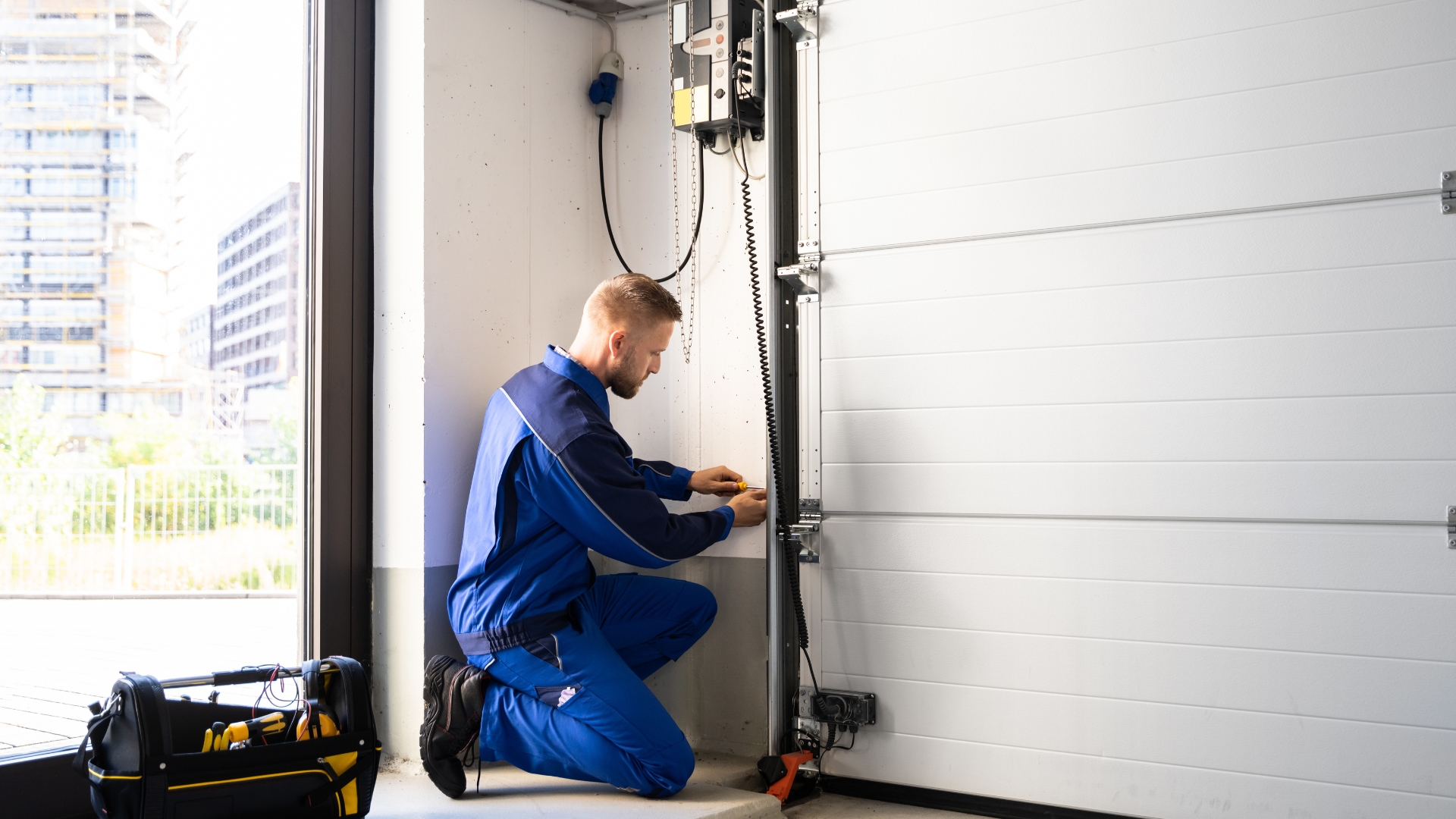
Garage door motors rely on a stable power supply to operate. If the door is unresponsive, the first step is to confirm that the motor is plugged in securely and that the power point is switched on. In some cases, a tripped circuit breaker at the switchboard can be the cause, particularly after a power outage or storm.
If the circuit breaker has tripped, reset it and test the door again. Some garage door systems also have a reset button on the motor unit itself. Pressing this after restoring power can sometimes resolve the issue.
It’s also worth checking if the outlet is working by plugging in another device. If the device doesn’t operate, the problem may be with the electrical supply rather than the garage door system. In this situation, contacting an electrician is the safest option.
Running this check before calling a repair technician ensures you rule out a simple power problem, which could save time and avoid an unnecessary service visit.
2. Try Both the Wall Button and the Remote
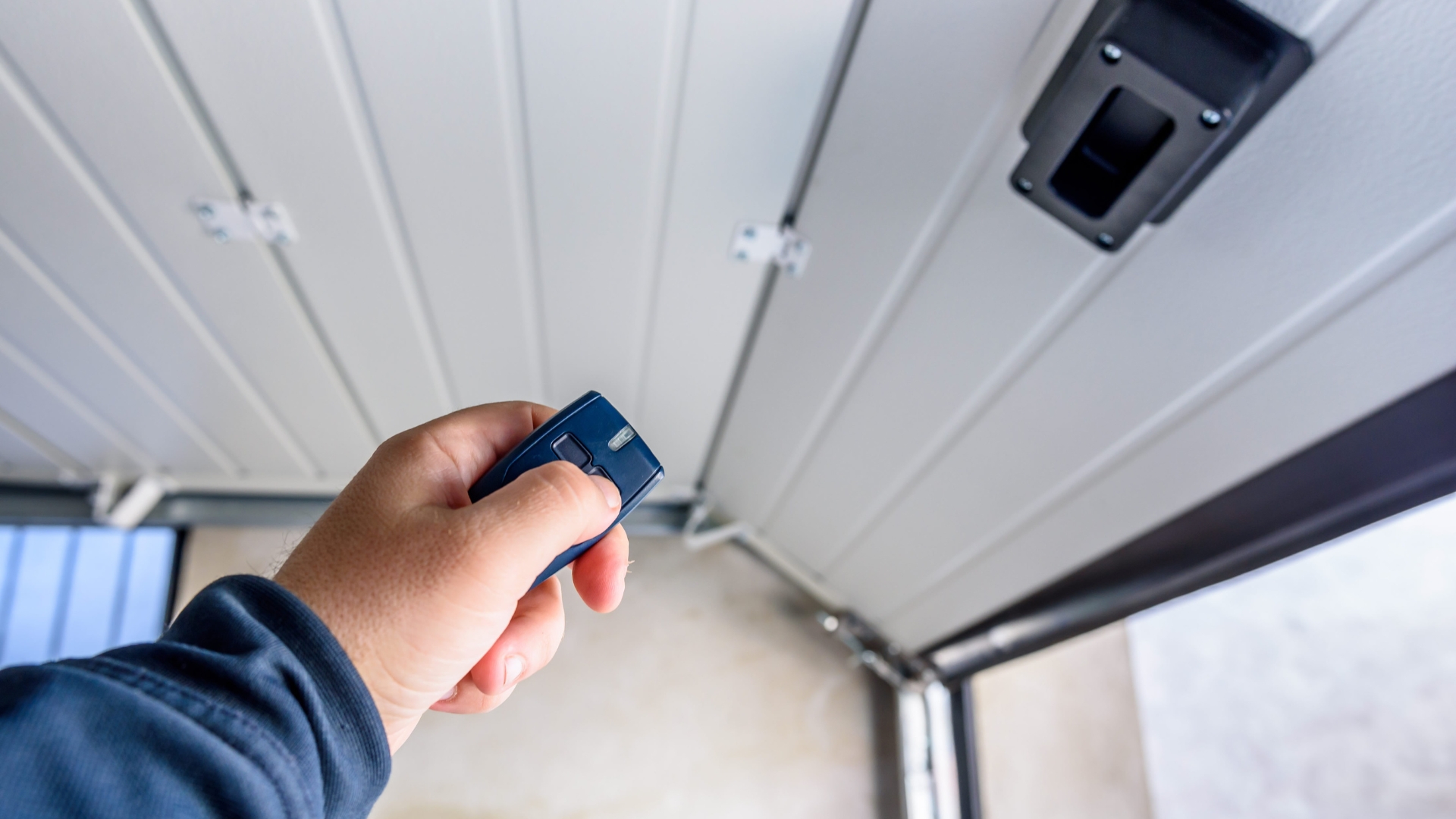
If the garage door does not respond, test both the wall-mounted control button and the handheld remote. This helps determine whether the problem lies with the motor or the remote. If the wall button operates the door but the remote does not, the most likely issue is a flat battery. Replacing it is a quick and inexpensive fix.
In some cases, the remote may have lost its connection to the motor. Most garage door systems allow the remote to be re-synchronised by following the steps in the user manual. This usually involves pressing a programming button on the motor unit and then pressing a button on the remote.
If neither control works, the issue is more likely to be electrical, mechanical, or with the motor itself. Testing both methods before calling a technician provides useful information and can speed up the repair process, as the technician will know which components to check first.
3. Look for Anything Blocking the Door
Obstructions in the garage door’s path can stop it from opening or closing correctly. Even small items such as rocks, leaves, or tools can interrupt the sensors or physically block the movement of the door. These sensors, usually located near the bottom of the tracks, are designed to prevent the door from closing on objects or people.
Start by checking the ground and clearing any debris. Then inspect the tracks on both sides of the door for loose objects, dirt, or build-up that may prevent the rollers from moving smoothly. Wiping the tracks with a dry cloth can help remove dust and light debris.
Bins, bicycles, or storage boxes placed too close to the door can also affect operation, so ensure the area around the door is clear. If the obstruction is not visible or the door still won’t operate after clearing the path, the problem could be mechanical or electrical and may require professional assessment.
4. Use the Manual Release
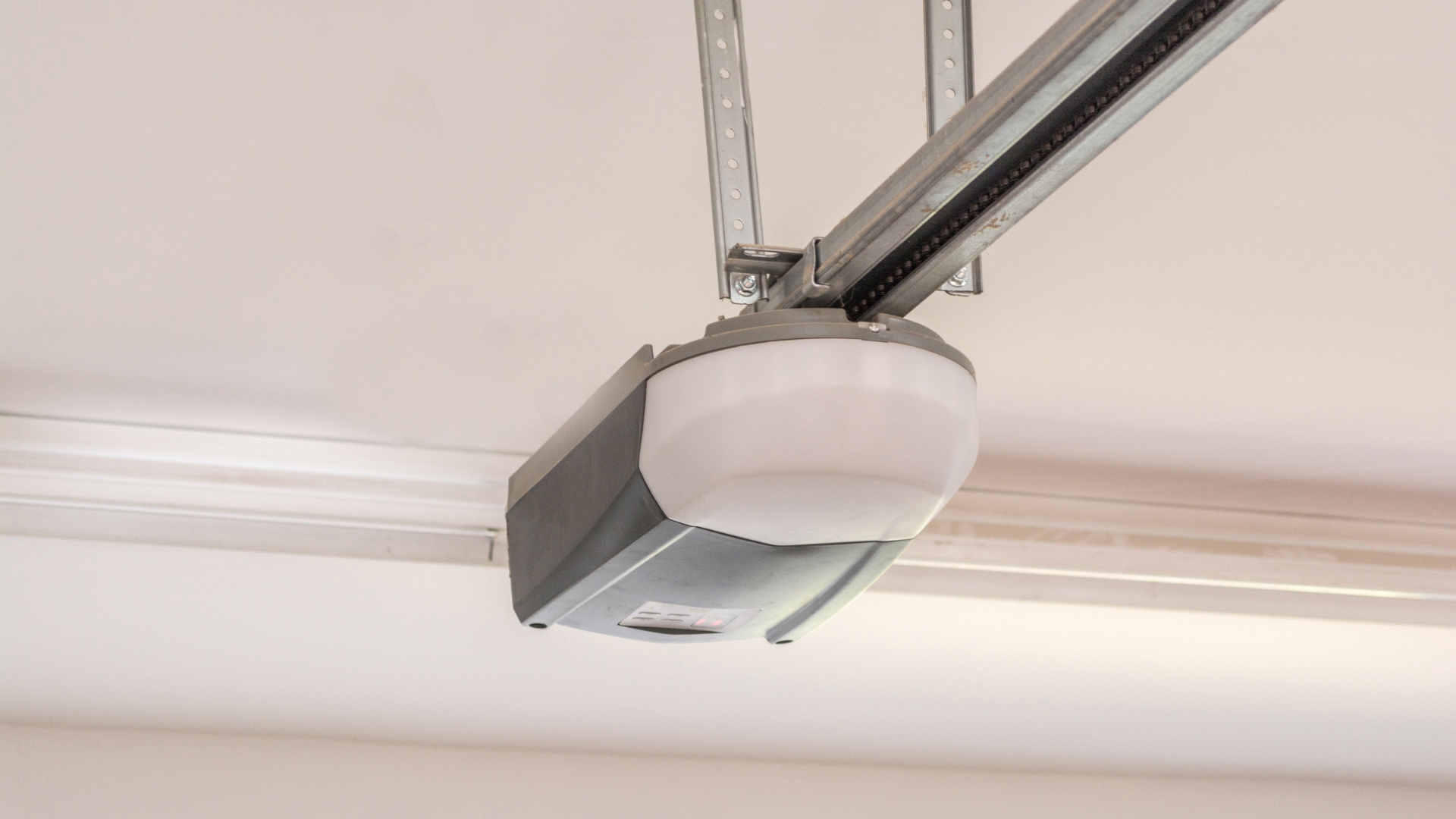
Most automatic garage doors have a manual release mechanism, usually a red cord or handle located on the motor unit. Pulling this cord disconnects the motor from the door, allowing it to be opened and closed manually. This function is useful if the power is out or if the motor is not operating correctly.
Once the door is in manual mode, try lifting it slowly. If it feels unusually heavy, resists movement, or does not stay in place when released, there may be an issue with the springs or the door’s balance. These components are under high tension and should only be repaired by a trained technician.
Manually operating the door can help determine whether the problem is mechanical or electrical. If the door moves smoothly by hand, the fault is more likely related to the motor or controls. If it is difficult to lift or appears uneven, it is safer to stop using it and arrange a professional inspection.
5. Check the Tracks and Rollers
Tracks and rollers guide the garage door as it opens and closes. If they are bent, rusted, or obstructed, the door may move unevenly or stop altogether. Begin by visually inspecting both sides of the door to check for damage or misalignment.
Light debris such as dust or cobwebs can be wiped away with a dry cloth. Avoid using lubricants on the tracks, as these can attract more dirt and cause further problems. Instead, keep the surfaces clean and free of obstructions.
Examine the rollers for signs of wear, cracks, or rust. Worn rollers can make the door noisy and harder to operate. Replacing them is a job for a qualified technician, as it often involves loosening high-tension components.
If the tracks appear bent or out of alignment, do not attempt to straighten them yourself. Incorrect adjustments can make the problem worse or cause safety hazards. In these cases, it is best to arrange a professional inspection and repair.
6. Listen to the Noise it Makes
Changes in the sound of a garage door can be an early indicator of a problem. A smooth, consistent noise usually means the door is operating as it should, while new or unusual sounds can signal wear or damage.
Grinding noises may indicate that metal parts are rubbing together due to lack of lubrication or component misalignment. Banging or knocking sounds could be caused by loose hardware, worn rollers, or issues with the door’s balance. High-pitched squeals may point to dry bearings or hinges that require servicing.
If a new noise develops suddenly, it’s important to stop operating the door until it is checked. Continued use can worsen the problem and may lead to more costly repairs. Make a note of when the noise occurs — during opening, closing, or both — as this information can help a technician identify the source more quickly.
Addressing unusual noises promptly helps maintain the safety, performance, and lifespan of the garage door system.
When to Call a Local Technician
If you have checked the power, controls, tracks, rollers, and sensors but the garage door is still not working properly, it’s time to arrange professional help. Continuing to operate a faulty door can cause further damage or create safety risks, especially if the issue involves springs, cables, or structural components.
Urgent repairs include broken springs, frayed cables, damaged panels, or doors that will not close securely. These faults can affect both the security of the property and the safe operation of the door. Attempting to fix them without the right tools and training is dangerous.
Coast to Valley Garage Doors provides repair services for a wide range of garage door types, from residential roller doors to larger sectional and tilt doors. Their technicians can identify the cause of the fault, supply any required parts, and restore the system to safe working order. Contact the team to arrange an inspection and get your garage door operating safely again.
FAQs about Garage Door Repairs
What are signs my garage door needs servicing?
Difficulty opening or closing, uneven movement, or new noises are common signs a service is needed.
Can I lubricate my garage door myself?
Yes, but only apply lubricant to moving parts like hinges and springs. Avoid putting it on the tracks, as this attracts dirt.
Is it safe to repair garage door springs on my own?
No. Springs are under high tension and require specialist tools and training to handle safely.
How often should a garage door be serviced?
Most doors benefit from a professional service once a year to maintain safe and smooth operation.
Do repair companies carry spare parts?
Most technicians carry common replacement parts, allowing many repairs to be completed in one visit.