
Garage doors in Lake Macquarie homes are exposed to changing weather throughout the year. Without proper placement or protection, sun, wind, and moisture can lead to faster wear, surface damage, and reduced function. These issues are more common when the garage faces open areas, the coastline, or afternoon sun.
Positioning a garage door without considering exposure can result in faded panels, rusted components, or water pooling near the entry point. Over time, this increases the need for repairs or early replacement.
Planning the position of the garage door during a new build or extension project helps reduce these risks. Factors to assess include sunlight direction, local wind patterns, and drainage flow. Placement also affects how the garage is used day to day, including access, privacy, and visibility from the street.
This article covers how orientation, drainage, and environmental exposure affect garage door condition and performance in Lake Macquarie. It also outlines how the right materials and positioning can reduce damage and long-term maintenance.
Sunlight and Heat Exposure
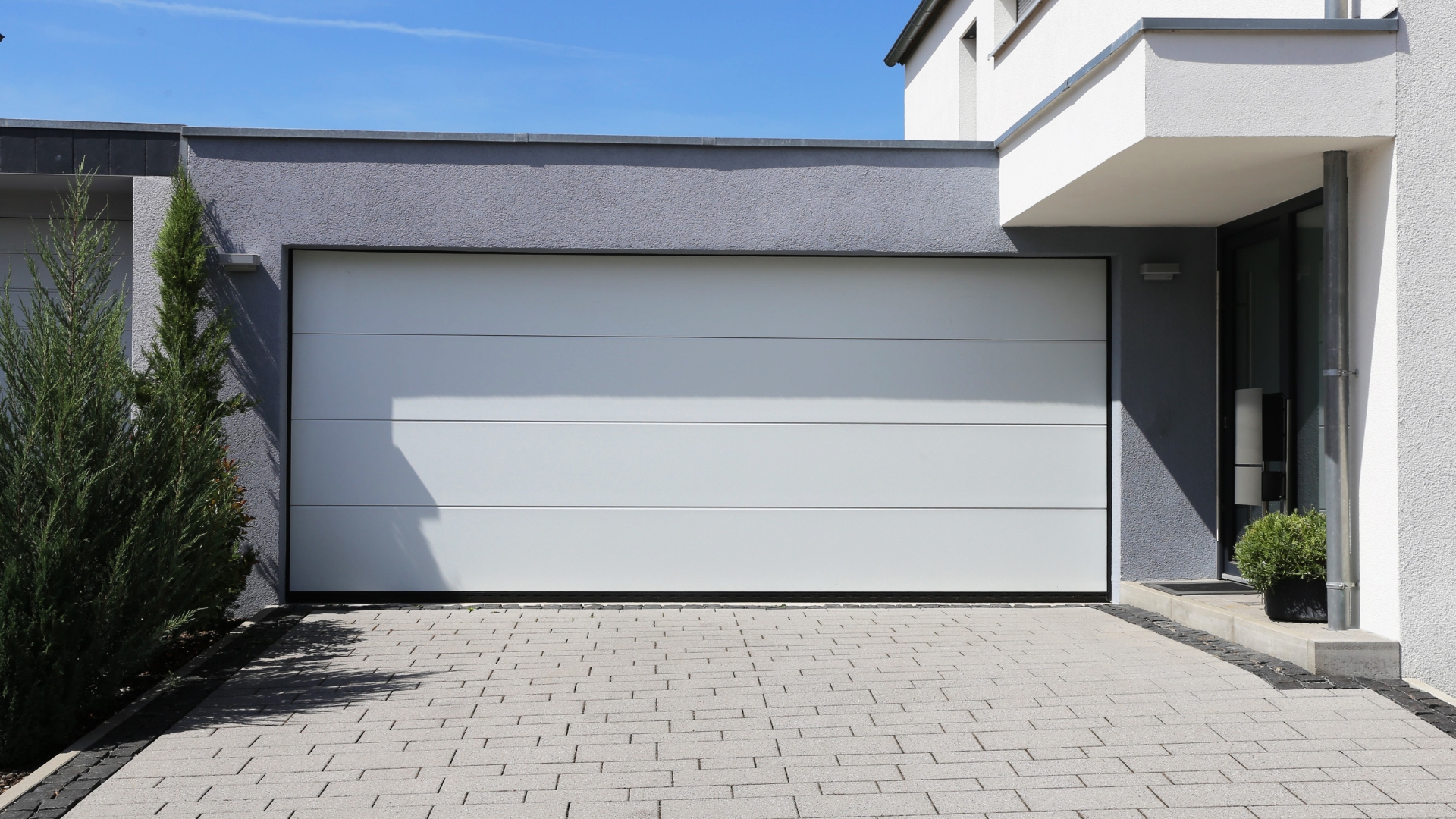
Garage doors facing north or west receive direct sun during the hottest parts of the day. In Lake Macquarie, summer heat and UV levels can affect the surface and function of garage doors that are exposed for long periods. Materials may fade, warp, or become brittle over time, especially if they are not UV-stable or heat-resistant.
Direct sunlight also increases internal garage temperatures. This can affect items stored inside and make it less practical to use the space as a workshop or utility room. In some cases, heat buildup can reduce the performance of garage motors and sensors.
To reduce impact, homeowners can consider using lighter-coloured panels, installing shade structures, or selecting materials that resist warping and UV degradation. Trees, fencing, or nearby structures can also block part of the exposure during peak hours.
When building or renovating, aligning the garage away from full sun or designing shading elements into the facade can help manage long-term wear.
Wind and Rain Direction
Homes near open spaces or the coastline in Lake Macquarie are more exposed to prevailing winds and sideways rain. South and east-facing garage doors are more likely to receive direct impact during storm conditions or seasonal weather shifts. This increases the risk of water entry, seal damage, and structural wear.
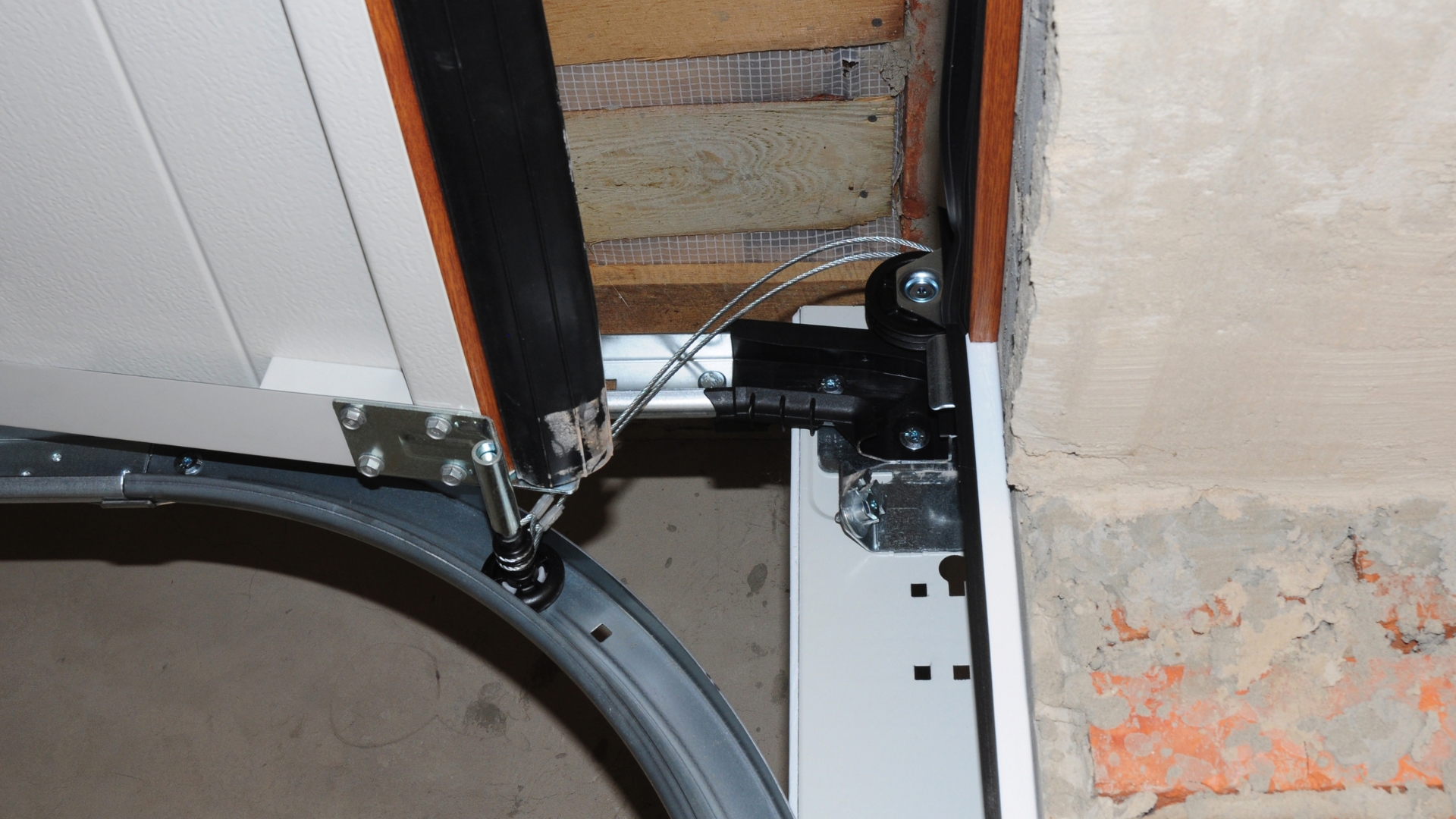
If the garage is positioned on the weather-facing side of the home, the door and its components need to be selected accordingly. This includes reinforced panels, side and bottom seals, and corrosion-resistant fittings. Water blown in through gaps can affect stored items and increase moisture levels inside the garage.
Standard doors may not offer sufficient protection if they are not designed for wind resistance. A weather-rated door helps prevent deformation, air leaks, and early damage to hardware. Seals should also be checked periodically and replaced if worn.
When possible, placing the garage on a side of the home that receives less direct exposure to wind-driven rain can reduce long-term impact.
Salt Air and Corrosion Risk
Lake Macquarie’s coastal conditions mean many homes are exposed to salt-laden air. Garage doors facing the lake, open bays, or located near the shoreline are at higher risk of corrosion. Salt air accelerates rusting in metal components, especially untreated steel or low-grade hardware.
Corrosion affects more than surface appearance. It can weaken hinges, rollers, tracks, and fasteners, leading to operational issues and increased maintenance. In areas with high salt exposure, even new doors may begin showing signs of damage within a few years if not built from suitable materials.
For better durability, use powder-coated aluminium, marine-grade stainless steel fittings, or zinc-coated components. These materials are more resistant to salt damage and require less frequent servicing. Protective coatings can also be applied during manufacturing to slow corrosion.
Orientation also matters. If the garage faces prevailing sea breezes, exposure increases. In such cases, sheltered placement or windbreaks may help limit direct salt contact.
Drainage, Slope, and Water Flow
Garage door positioning affects how water flows around the entry point. If the driveway slopes toward the garage, or the property lacks proper surface drainage, water can collect near the door. This increases the risk of internal flooding, seal degradation, and damage to stored items.
Heavy rainfall or poor runoff control can lead to water pooling at the threshold. Over time, this may weaken the base of the door, cause swelling in timber framing, or introduce mould and moisture issues inside the garage.
To manage this, install trench drains, graded surfaces, and water-resistant thresholds. Ensure the garage sits above nearby surface levels where possible. If the site slopes down toward the home, additional drainage systems may be required to redirect water.
Garage placement should be reviewed early in the design stage to avoid future issues. Even if construction has already been completed, most drainage problems can still be resolved through site adjustments or minor installation changes.
Built for Weather, Designed for Local Conditions
At Coast to Valley Garage Doors, we work with homeowners across Lake Macquarie to install garage doors that suit both the property layout and environmental exposure. Whether you’re building a new home or upgrading an existing door, it’s important to consider how sun, wind, slope, and salt air can affect long-term performance.
We assess each site to recommend options that match the door position, driveway gradient, and usage requirements. For sun-exposed doors, we may suggest insulated panels or light-coloured finishes. For coastal homes, we focus on corrosion-resistant materials like powder-coated aluminium and marine-grade fittings.
Doors are available with wind-rated seals, drainage-compatible thresholds, and weatherproof automation systems. These options help reduce wear from daily use and protect your garage from storm-driven rain or rising heat.
To discuss garage door systems suited to your site and layout, get in touch with us!
FAQs
Which direction causes the most garage door wear?
North and west-facing doors in Lake Macquarie receive the most direct sun. South and east-facing doors are more exposed to rain and wind.
Can garage doors be upgraded for weather resistance?
Yes. Doors can include bottom and side seals, wind-rated frames, corrosion-resistant parts, and insulated panels for sun protection.
What materials are suitable for coastal locations?
Powder-coated aluminium and marine-grade stainless steel are more resistant to salt air than standard steel or untreated components.
How can I stop water from pooling near my garage door?
Install trench drains, adjust driveway slope, or use raised thresholds. These reduce the chance of water entering during heavy rain.
Does the slope of the driveway affect garage door wear?
Yes. A downward slope toward the garage increases water exposure and pressure on seals. Drainage solutions should be installed in these cases.
Who installs garage doors suited to Lake Macquarie conditions?
We do. At Coast to Valley Garage Doors, we install systems built to handle local conditions, from coastal exposure to sun and storm events.