
If you have ever wondered what happens when a technician services your garage door, you are not alone. It is one of those home maintenance tasks that people often arrange without thinking much about what is actually involved.
A garage door might look simple, but it depends on many moving parts working together, such as cables, rollers, springs, sensors, and brackets. Over time, these parts can loosen, wear down, or shift out of alignment, which can cause noisy movement, extra strain on the motor, or even safety issues.
That is why a professional garage door service is important. During a service, a technician checks, tests, and adjusts each component to keep the door operating safely and efficiently. Here is what is usually included when a technician carries out a complete garage door service.
Initial Inspection and Safety Check
When a technician arrives for a garage door service, the first step is always a full inspection. This helps them understand how the door is performing and identify any potential safety risks.
They begin with a visual check of the entire system. This includes the door panels and frame for dents, cracks, or rust, as well as the rollers and tracks to see if there is any debris or bending. The cables and springs are inspected for fraying or corrosion, and the automatic opener is tested to make sure it responds correctly.
The technician will also open and close the door by hand to check for smooth movement and balance. If the door feels heavy, jerks, or makes grinding sounds, it can indicate an issue with spring tension or alignment.
Checking and Adjusting Cable Tension
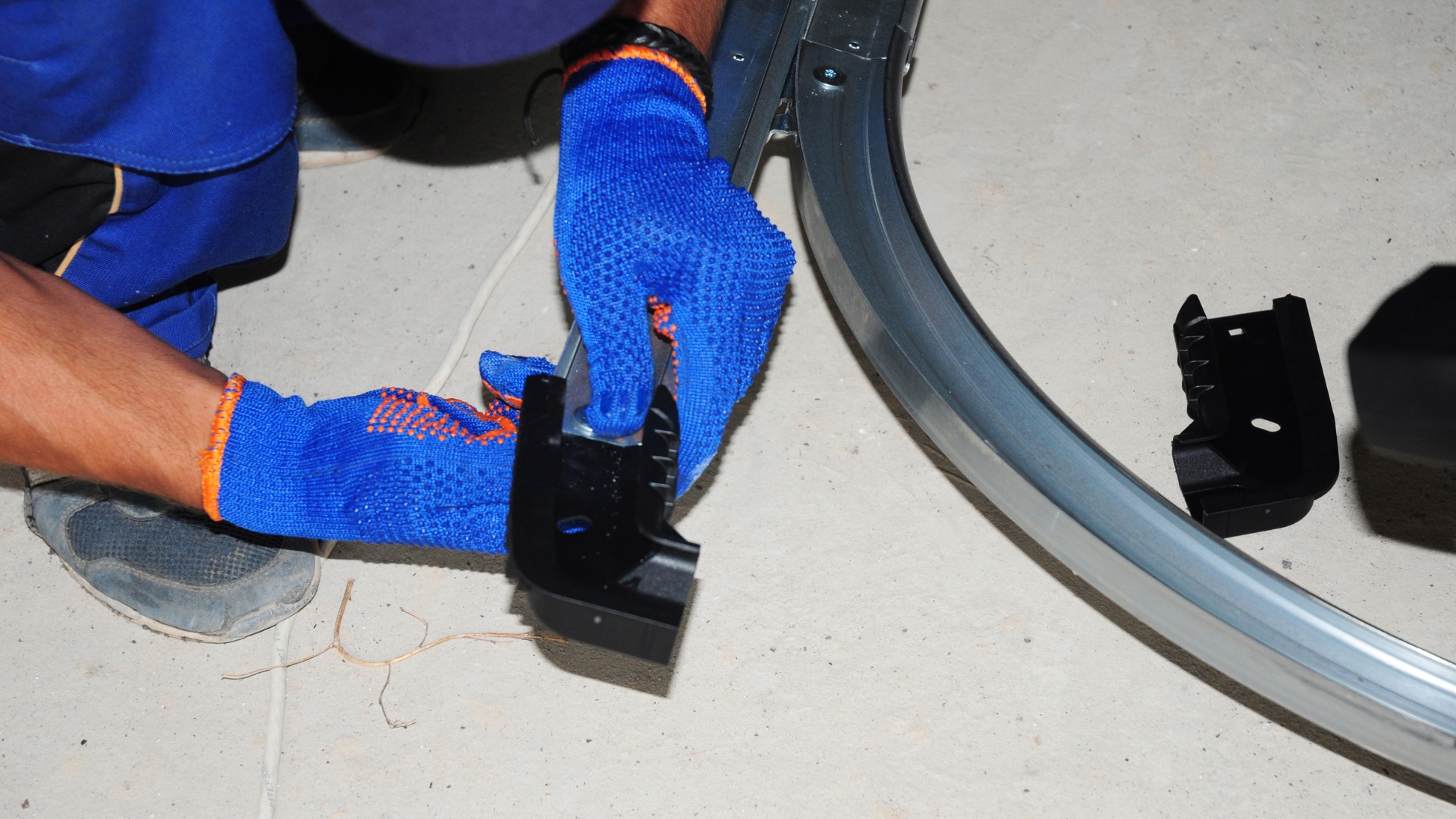
The lifting cables play an important role in how the garage door operates. They work with the springs to carry the weight of the door and help it open and close smoothly. Over time, these cables can stretch or fray, which affects balance and safety.
During a service, the technician checks the condition and tension of each cable. If one side is tighter than the other, the door can become uneven or jam while moving. This uneven pull can also strain other parts, such as the springs or opener.
If there are any signs of wear, fraying, or rust, the cables are usually replaced straight away. This prevents the risk of snapping, which can be dangerous and cause sudden door failure.
Testing and Balancing the Springs
The springs do most of the heavy lifting in a garage door system. They counterbalance the weight of the door so it can open and close smoothly. When springs lose tension or become damaged, the door can feel heavy, move unevenly, or even close unexpectedly.
During a service, the technician tests the spring tension to see how well it balances the door. If the door feels too light or too heavy, the tension is adjusted until it moves evenly and quietly. The technician will also listen for any creaking or grinding sounds that might suggest fatigue or rust.
If the springs are showing signs of wear or corrosion, replacement is usually recommended. Changing them before they fail helps keep the system safe and prevents sudden breakdowns.
Lubricating Moving Parts
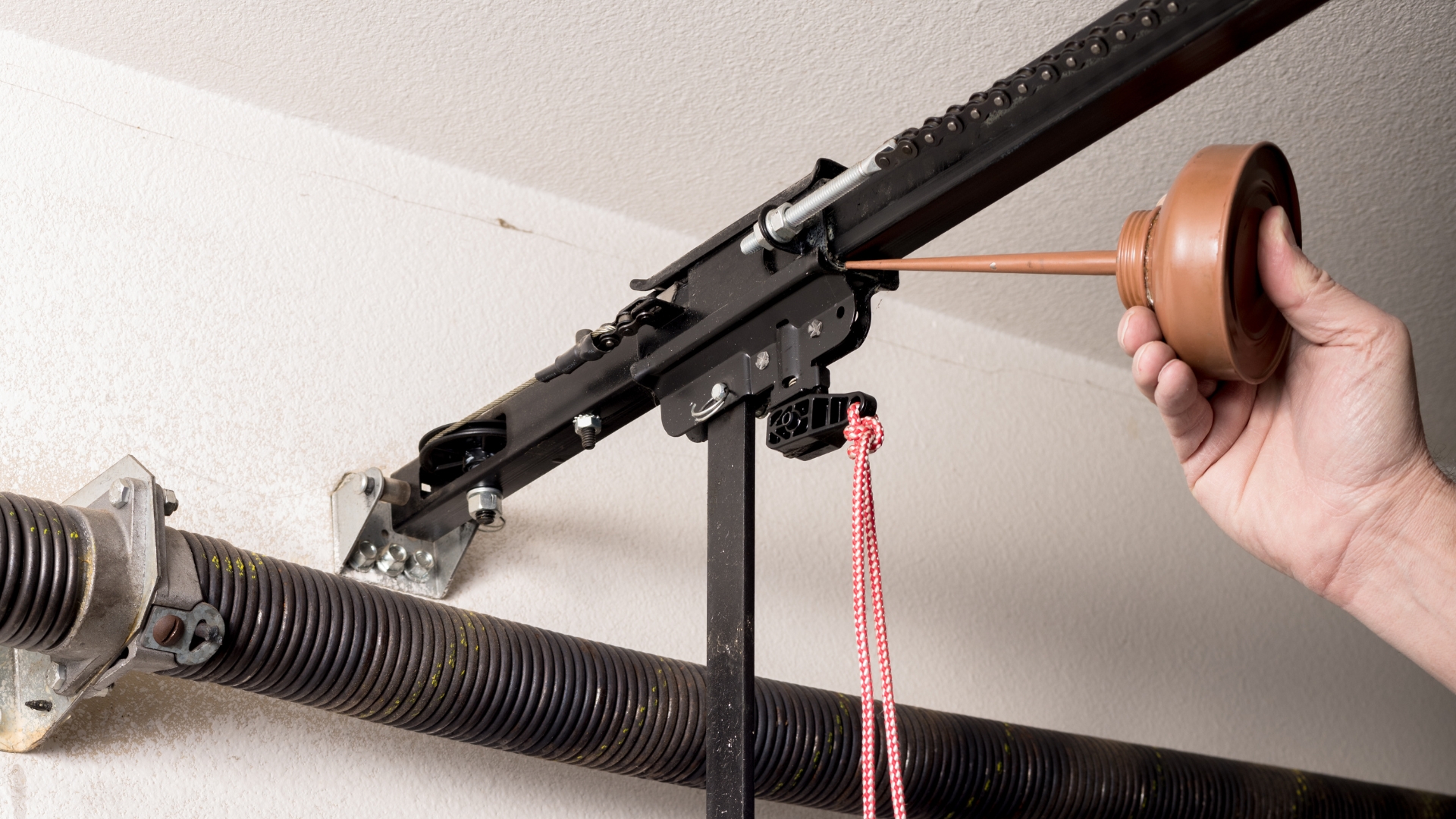
Friction is one of the main reasons garage door parts wear out over time. That is why lubrication is a key part of every professional service. It helps reduce noise, keeps the system running smoothly, and extends the life of the components.
A technician will apply lubricant to all the moving parts, including the rollers, hinges, springs, tracks, and pulleys. A silicone-based or lithium-grease product is usually used, as it is designed for metal components and can handle different weather conditions.
In coastal areas such as Lake Macquarie, this step is especially important because the salt in the air can speed up rust and corrosion. Lubrication helps protect the metal parts and ensures the door operates quietly and reliably.
Checking the Door Opener and Sensors
Modern garage doors rely on automatic openers that work with sensors to make daily use easier and safer. These systems need testing to make sure they respond correctly every time.
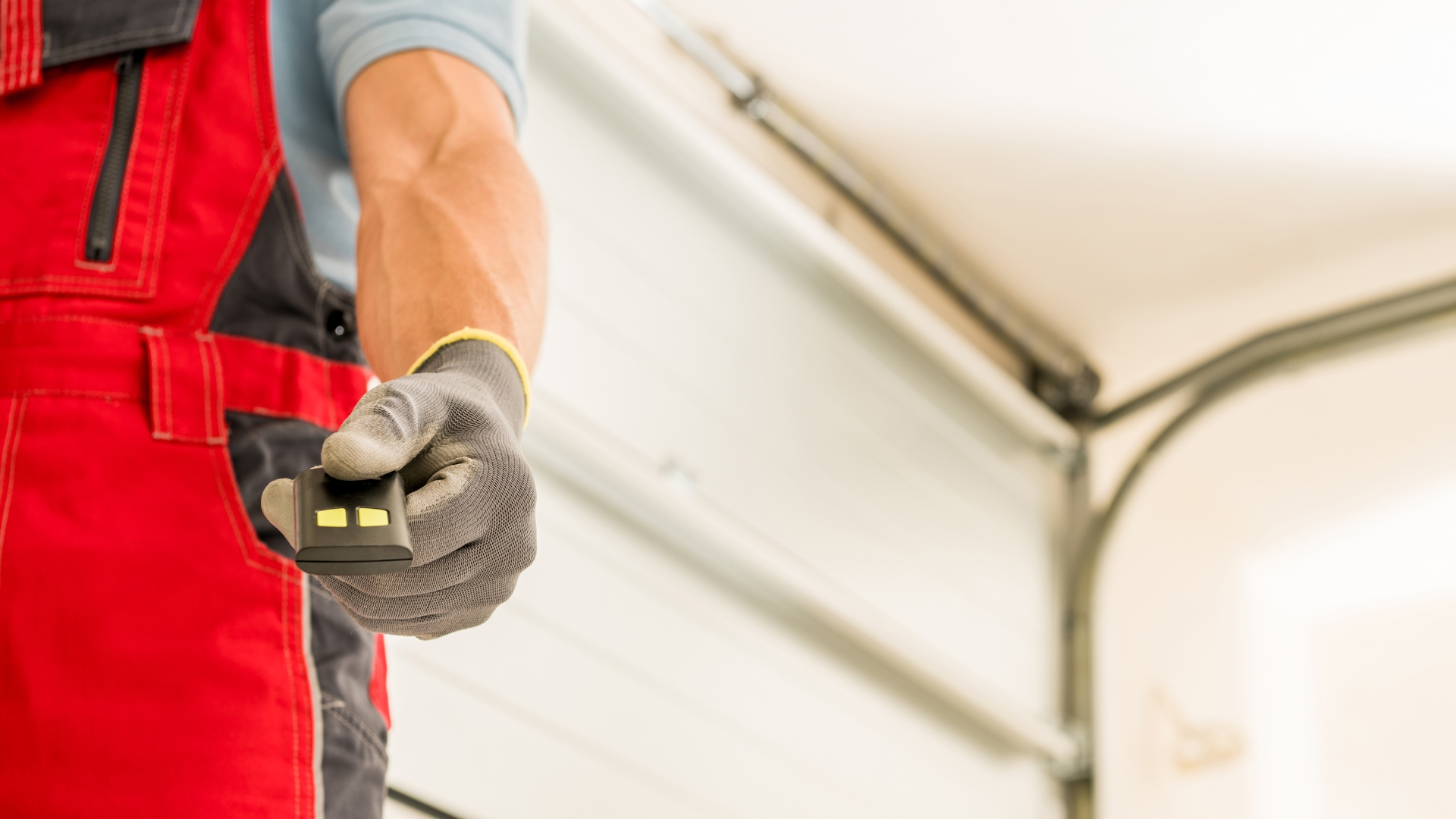
During a service, the technician tests the opener motor, remote controls, and safety sensors. They clean away dust and debris that might block the sensors and check that the beam between them is properly aligned. The wiring and connections are also inspected to confirm that nothing is loose or damaged.
The safety reverse function is one of the most important checks. This feature stops the door and reverses it if something is in the way. It is a simple test but an essential one, especially for households with children or pets.
Tightening Bolts, Hinges, and Brackets
With constant movement and vibration, it is common for bolts, hinges, and brackets to loosen over time. Even a small amount of movement can cause rattling sounds or put extra pressure on other parts of the system.
As part of a garage door service, the technician checks every connection point, from the hinges on the panels to the brackets holding the tracks in place. Each bolt is tightened to keep the structure firm and stable.
This step might seem small, but it helps prevent long-term wear and damage. Keeping the fittings secure ensures the door moves smoothly and reduces the chance of parts bending or breaking.
Final Operational Test
Once every part has been inspected, adjusted, and lubricated, the technician performs a final test. This confirms that the garage door operates smoothly and safely after the service.
The door is opened and closed several times using both the remote control and manual release. During these tests, the technician listens for any unusual sounds and watches how evenly the door moves along the tracks. If it hesitates, jerks, or appears unbalanced, further fine-tuning is carried out.
The technician then provides a short summary of the results. This includes any issues found, parts replaced, and suggestions for future maintenance. The goal is to make sure the door performs reliably and safely before the job is complete.
Why Garage Door Servicing Matters
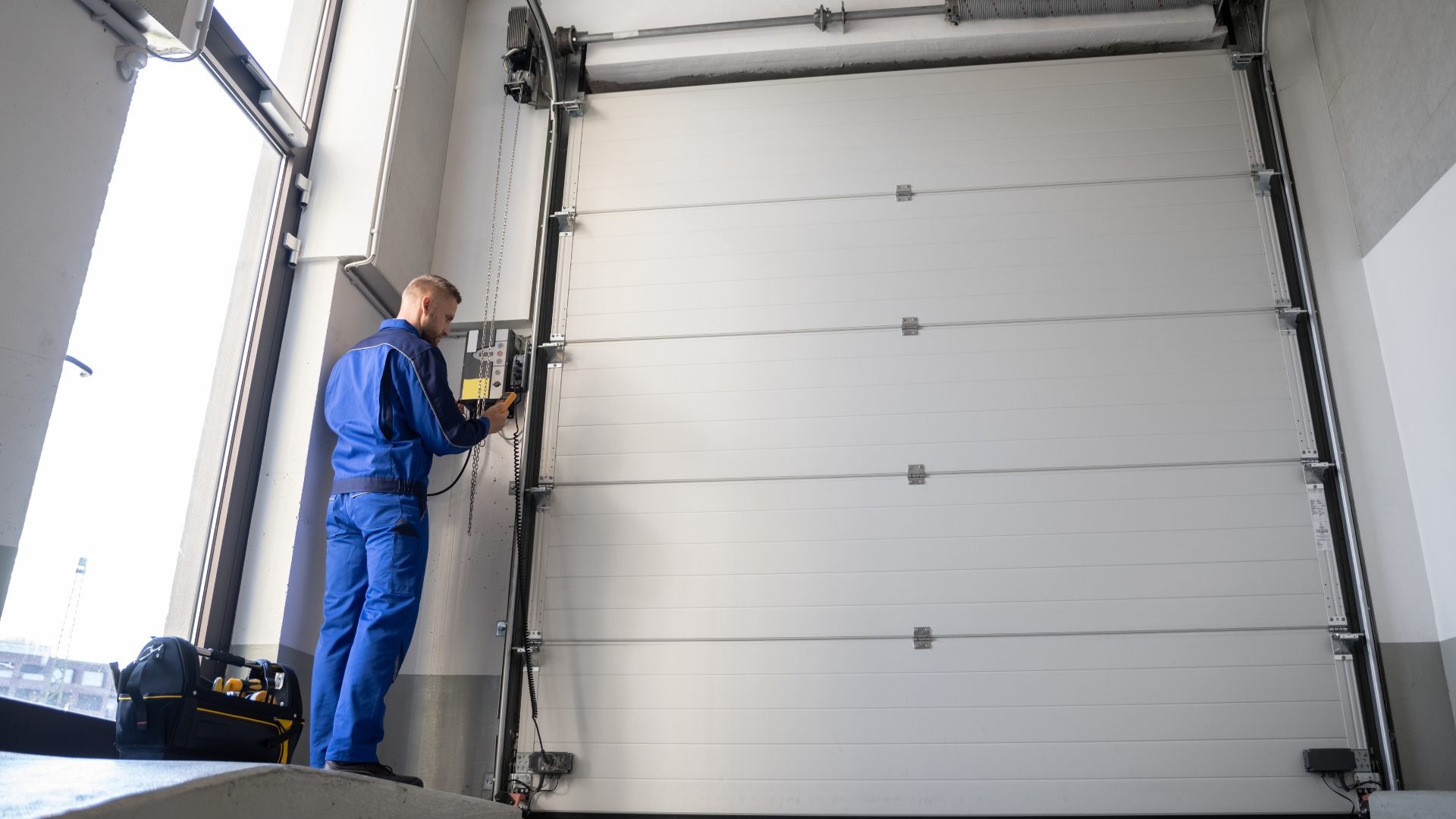
Keeping a garage door in good condition does more than just improve how it looks. Servicing helps ensure the door stays safe, reliable, and less likely to break down unexpectedly.
A well-maintained system moves smoothly and puts less strain on the motor, springs, and cables. This lowers the chance of expensive repairs and helps the parts last longer. Servicing also confirms that safety features, such as sensors and the reverse function, are operating as they should.
Having a technician check the system once a year is an easy way to protect both the door and the people who use it. It provides confidence that every component has been inspected and is working properly.
When to Book a Garage Door Service
For most homes, having a professional service once a year is enough to keep the garage door in good working order. This allows the technician to identify minor issues before they turn into larger, more costly repairs.
It is also worth booking a service sooner if you notice any of the following signs:
- The door sticks or feels heavy when opening or closing
- It makes grinding, squeaking, or scraping sounds
- The opener struggles or stops halfway
- The door appears uneven when closing
- Cables or springs look frayed or damaged
Ignoring these warning signs can lead to more serious mechanical problems and safety risks. A service is more than a quick inspection; it is a detailed process that keeps the door working safely and efficiently.
Keep Your Garage Door in Top Shape
If your garage door has not been serviced in a while, it may be time to arrange a professional inspection. A trained technician can check each component, make adjustments, and confirm that everything is working safely and smoothly.
For dependable servicing in Lake Macquarie, contact Garage Doors Lake Macquarie. The team provides inspections, maintenance, and repairs for all major garage door brands, helping homeowners keep their doors operating safely and quietly.
FAQs
How long does a garage door service take?
Most standard services take about an hour, depending on the size and condition of the door.
How often should a garage door be serviced?
A yearly service is usually enough for most homes. Doors that are used several times a day may need an inspection sooner.
Can I lubricate the door myself?
Yes. Homeowners can apply a light silicone-based spray to the rollers and hinges. However, any tension adjustments or repairs should be handled by a technician.
What if my garage door is noisy after a service?
Noise that continues after servicing may mean there is wear or misalignment. The technician can inspect it further and replace any worn parts if needed.
Do automatic garage doors need more maintenance?
They often do, as they rely on sensors and motor systems. Checking that the opener and safety features are working properly helps ensure safe operation.